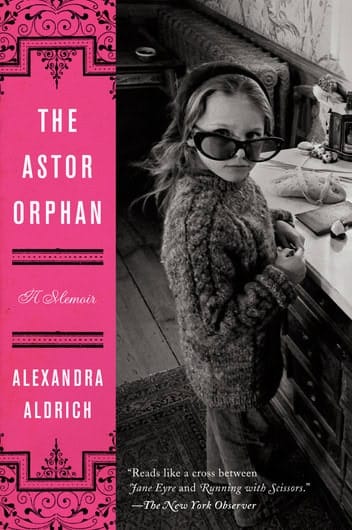
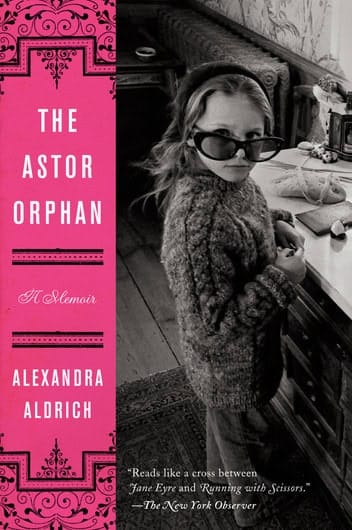
The Astor Orphan by...
$ 6.74
Delivery time 1 week
Description The Astor Orphan: A Haunting Memoir of Wealth and Neglect The Astor Orphan tells a gripping story of childhood amid crumbling grandeur. Alexandra Aldrich shares her unconventional upbringing in a decaying mansion. This unflinching memoir reveals the dark side of American aristocracy. Moreover, it explores how one girl escaped her fractured family’s grip. A Descendant’s Story: Growing Up Astor Alexandra Aldrich descends directly from John Jacob Astor, America’s first multimillionaire. However, her childhood looked nothing like a fairy tale. Instead, she grew up in Rokeby, a 43-room estate in Barrytown, New York. The mansion sat on 450 acres of Hudson River Valley land. During the 1980s, young Alexandra navigated a bizarre bohemian existence. Her family lived without heat, running water, or basic repairs. Additionally, the once-grand rooms fell into disrepair around her. Leaking ceilings and crumbling walls became her normal backdrop. The Astor Orphan captures this strange world with vivid detail. Aldrich describes eccentric relatives who clung to past glory. Meanwhile, they ignored their children’s basic needs. The family fortune had vanished, but the dysfunction remained. Inside Rokeby: A Mansion of Contradictions Life at Rokeby defied all expectations of wealth and privilege. The estate represented both grandeur and neglect simultaneously. Therefore, Alexandra’s childhood became a study in contrasts. Key aspects of life at Rokeby included: Living in a historic mansion without modern amenities or comfort Navigating complex family dynamics and eccentric relatives daily Experiencing emotional neglect despite the family’s prestigious name Witnessing the slow decay of both property and family bonds Finding resilience amid chaos and dysfunction The young author learned to survive in this unusual environment. She developed independence because her parents provided little guidance. Also, she discovered strength through observing her family’s failures. The crumbling estate became a metaphor for her fractured family. Aldrich writes honestly about feeling abandoned and confused. Her parents pursued artistic dreams while ignoring parental responsibilities. Consequently, she raised herself within those decaying walls. Themes That Resonate: Escape and Resilience This memoir explores universal themes through a unique lens. Wealth cannot protect children from neglect or dysfunction. Additionally, prestigious names don’t guarantee happiness or stability. Aldrich proves that emotional poverty exists everywhere. The book examines how children survive dysfunctional families. It also celebrates the human capacity for resilience and growth. Furthermore, it questions what we inherit from our ancestors. Family legacy includes both privilege and pain. Readers connect with Aldrich’s journey toward independence and self-discovery. Her story demonstrates that escape requires courage and determination. Therefore, The Astor Orphan becomes more than family history. It transforms into a coming-of-age tale about breaking free. Why This Memoir Matters Today Aldrich’s unflinching honesty makes this memoir essential reading. She exposes the reality behind America’s aristocratic families. Moreover, she challenges romantic notions about wealth and privilege. The Gilded Age left complicated legacies for its descendants. This book appeals to readers who love family dramas and historical narratives. It also attracts those interested in American history and social class. Additionally, anyone who survived difficult childhoods will find validation here. The Astor Orphan reminds us that dysfunction knows no economic boundaries. Aldrich’s courage in sharing her story inspires others to confront their pasts. Her memoir proves that we can transcend our origins and create better futures.
Related products
-
 Nothing Is Lost: Se...
Delivery time 1 week
Add to cart -
 Life and times of Frederick Douglass
Delivery time 1 week
Add to cart -
 The Architects by J...
Delivery time 1 week
Add to cart